
What the Midterm Elections mean for financial regulation: SEC deregulation, enforcement, AI investor risk, ESG disclosures, and climate risk.
Rule Overview
Jurisdiction: United States
Regulator: SEC
Topic: Corporate Governance
LII 17 CFR 240.14a-8
What the Midterm Elections mean for financial regulation: SEC deregulation, enforcement, AI investor risk, ESG disclosures, and climate risk.

The SEC proposed to end its oversight of corporate shareholder proposals on topics like carbon emissions and executive pay.
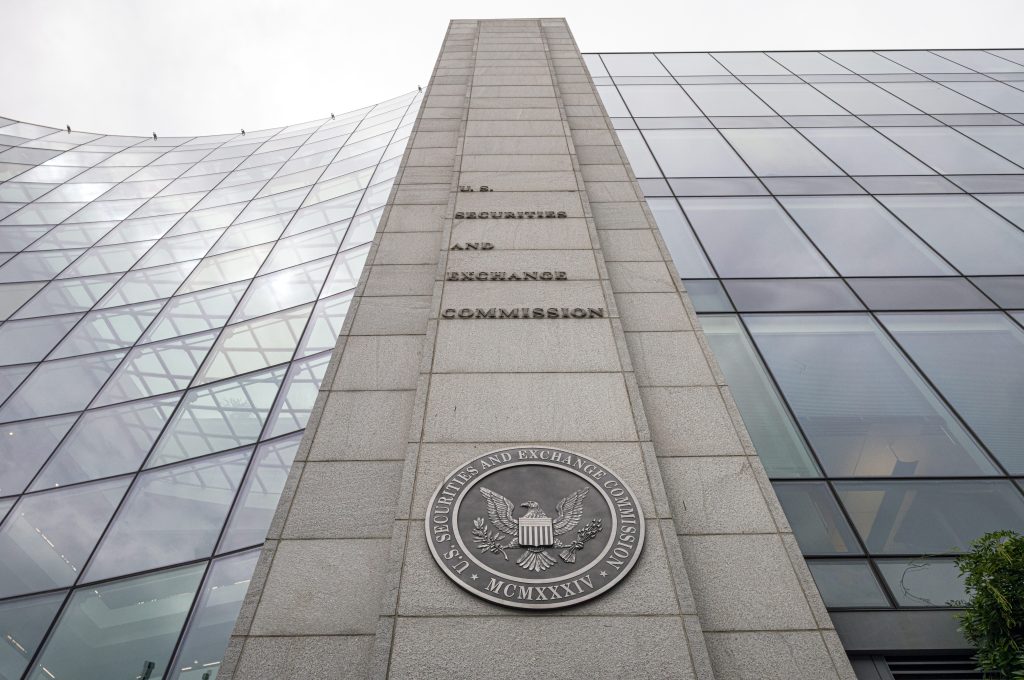
The SEC's statement informs public companies that it will discontinue CorpFin's practice of responding to shareholder proposal no-action requests, effective immediately.

Regulator cites resource and timing considerations as reason for change.

Many companies have already submitted requests seeking exclusion of proposals pursuant to Rule 14a-8.

Peirce's prepared remarks at the Northwestern Securities Regulation Institute outlined seven principles a newly comprised securities watchdog should follow.
