
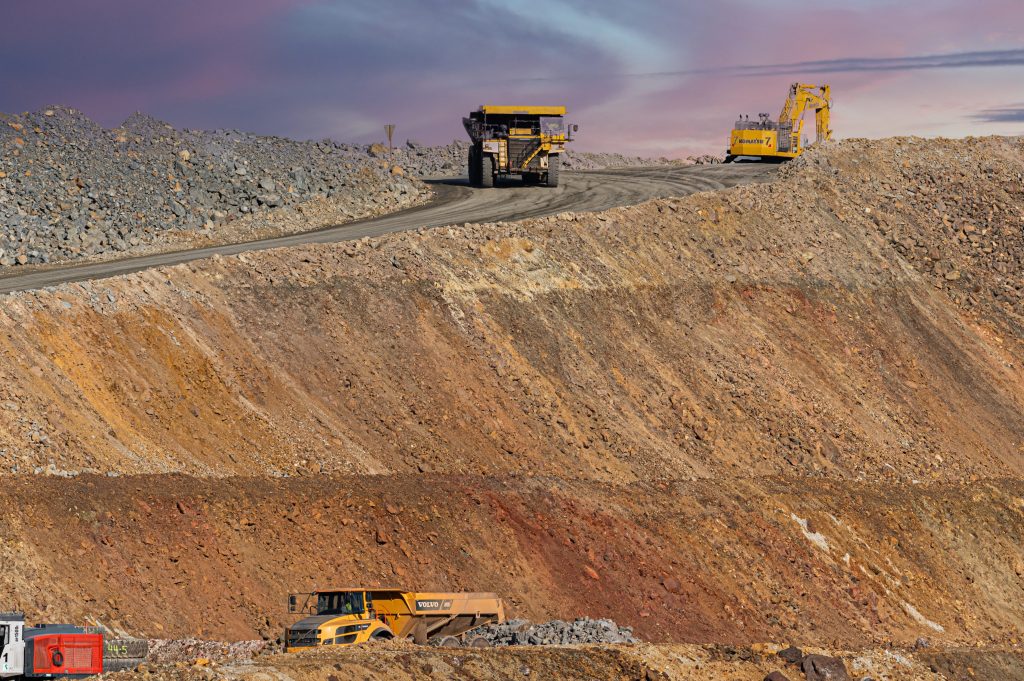

The obligations codified in the EU’s Corporate Sustainability Due Diligence Directive (CSDDD) are poised to hit companies at a time when extraction projects are moving faster than ever before.
The rush to secure supply
Geopolitical conflict and growing resource nationalism have spurred demand for raw minerals necessary for green technology and its infrastructure.
The green transition is inescapably material: The batteries, EVs, and grids meant to replace fossil fuels are built from lithium, cobalt, nickel, and rare earths, with demand rising year over year. The EU alone projects its lithium needs could grow as much as twelvefold by 2030.
Governments are now accelerating extraction by fast-tracking private enterprises and even direct intervention into operations up and down the value chain.
For example, the EU’s Critical Raw Materials Act (CRMA) has reduced the permitting timeline for designated “strategic” extraction projects in the region to 27 months, marking a significant acceleration from the five to ten years such approvals typically take. It also extends to projects outside of the EU, unlocking preferential access to EU financing for extraction in other parts of the world. The bloc’s RESourceEU plan reinforces that same financing push abroad.
Acceleration tactics in CRMA and by other nations, such as the U.S. Executive Order 14241, relax the due diligence standards required to break ground on these operations, leaving organizations that take advantage of this fast-tracking today at odds with due diligence standards in the near future.
Fast-tracking critical mineral projects has been documented to push mining projects forward despite flawed permitting and inadequate environmental impact assessments, creating what the European Environmental Bureau calls “sacrifice zones.”
Take Portugal’s Mina do Barroso, a CRMA “strategic” lithium project. ClientEarth and local groups filed the first-ever CRMA legal challenge, arguing the Commission endorsed it on a superficial environmental review. A UN committee found reviewers got just 10 days for 1,776 technical documents where law requires 30.
The bar to break ground is being lowered today, with the bar to keep operating set to rise at the implementation of the CSDDD.
Assist projects now, judge them irremediable later
The catch comes when companies with projects that were fast-tracked, funded in part, and effectively waved through by governments find themselves held to a far higher standard of diligence in a few years.
The CSDDD will require in-scope companies to identify, prevent, and “bring to an end” adverse human rights and environmental impacts across their value chains, not only in their own operations, but also among the suppliers and partners they rely on. It goes a step beyond mere disclosure, turning sustainability into an active legal duty to fix harm wherever it surfaces in the chain.
Companies with direct involvement in resource extraction should ensure appropriate legal and regulatory expertise is brought in now to balance the forces accelerating these projects today against the regulations that will judge them tomorrow.
The directive requires a risk-based review across a company’s chain of activities, and then for that entity to act on what it finds. Crucially, where a company has caused or contributed to an adverse impact, it must provide remediation, restoring the affected people, communities, or environment, as far as possible, to the state they were in before the harm.
However, extraction is the one place in a value chain where the obligation to “bring to an end” an adverse impact has no physical meaning, and the projects being capitalized on today will sit inside in-scope value chains by the time the CSDDD takes full effect in July 2029.
The directive imposes that remediation duty, but you can’t redirect an extractive project the way you could other operations. A drained aquifer or an acid pit lake isn’t paused by a corrective action plan. Even responsible withdrawal, which the directive treats as a last resort, doesn’t meaningfully change the harm done to Indigenous land or endangered species.
What it looks like on the ground
Some of the largest examples include extractive projects in Central Africa and Chile. The Lobito Corridor is a rail line the European Commission calls a “key Global Gateway flagship,” backed by €116m ($153.5m) in EU money to route Central African copper and cobalt toward European industry. Up to 6,500 people are at risk of eviction along a single stretch of the operation.
Chile’s Salar de Atacama, bound to Europe under the EU’s 2025 trade agreement with Chile, has well-documented environmental harm. Groundwater levels are down more than 10 meters in 15 years, and the lagoons sustaining Indigenous communities and native flamingos are drying up – the type of damage that no company can easily remediate.
Any in-scope manufacturer, commodity trader, or refiner buying from or backing these projects will hold a directive-relevant relationship with one of the most scrutinized extraction zones on earth. And the deeper a company’s involvement, the closer it moves to a remediation duty it cannot meet under the CSDDD, because no corrective action plan refills a drained aquifer or lifts a sunken salt flat.
Extractive projects can’t be unwound or divested as cleanly as other operations. Even if a firm finds a way out, the harm the directive exists to prevent is already irreversible – the CSDDD’s prescribed diligence is meant to prevent or at least remediate harm, not just acknowledge it after.
Where this leaves compliance teams
As more jurisdictions layer on diligence statutes and forced-labor import bans while extraction accelerates everywhere at once, the same mismatch will continue to appear between a globalizing regulatory environment and the forces racing to get minerals out of the ground.
Due diligence on extractive nodes should weigh irreversibility differently from reversible value-chain risk. An impact you can never undo is among the most severe by definition and belongs at the top of the queue. Companies with direct involvement in resource extraction should ensure appropriate legal and regulatory expertise is brought in now to balance the forces accelerating these projects today against the regulations that will judge them tomorrow.