

Premium article
Regulator says it uses insights from enforcement actions to inform supervisory activity and work on regulatory standards.
Regulator says it uses insights from enforcement actions to inform supervisory activity and work on regulatory standards.

The Finnish authority has issued penalty payments on one bank and two companies.

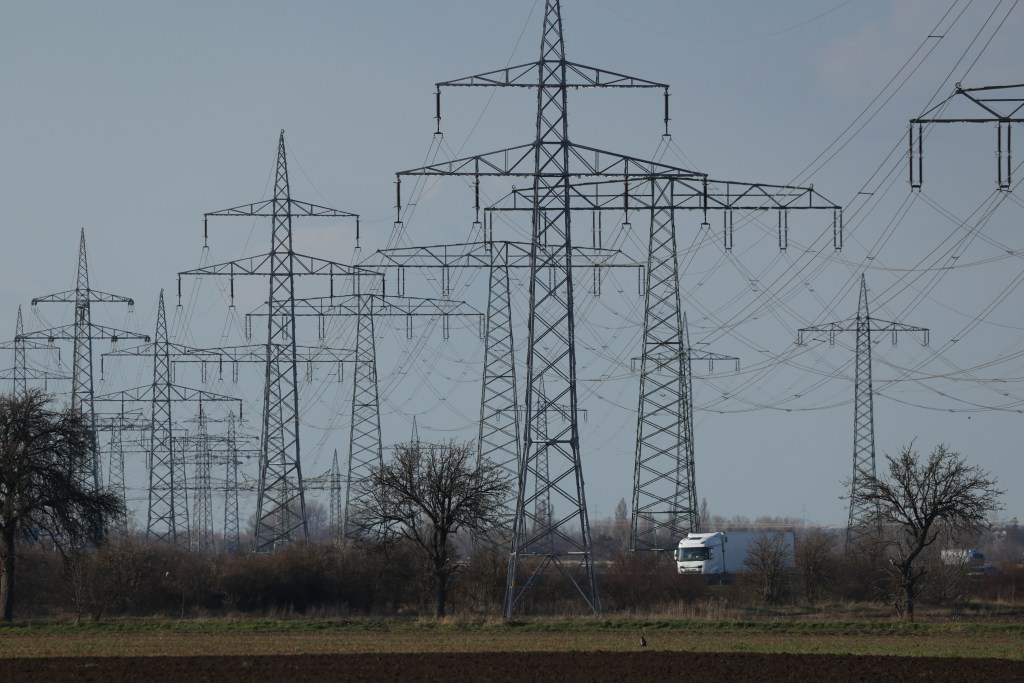
ACER's report on unit investment cost (UIC) indicators for energy infrastructure, updating the reference values last published in 2023.
Consultation on the new guidelines for transaction reporting.
By moving away from isolated project builds and transitioning to a unified platform architecture, firms can finally break the cycle of constant, manual reconfiguration.
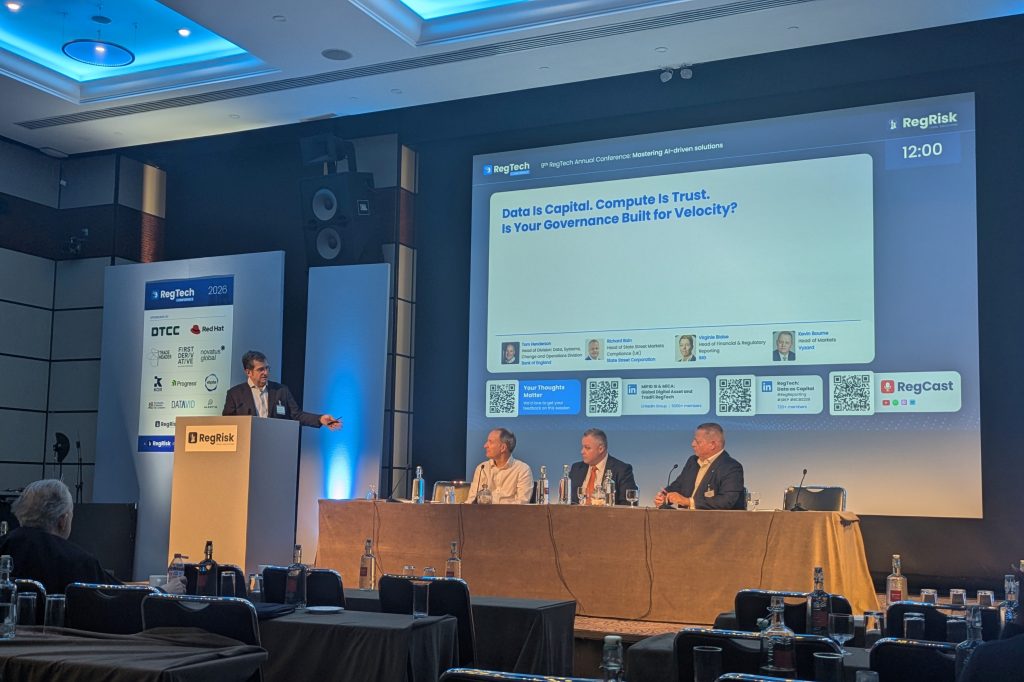
This panel discussed: If data is capital and compute is trust, is your governance architecture accelerating capital velocity, or quietly slowing it down?
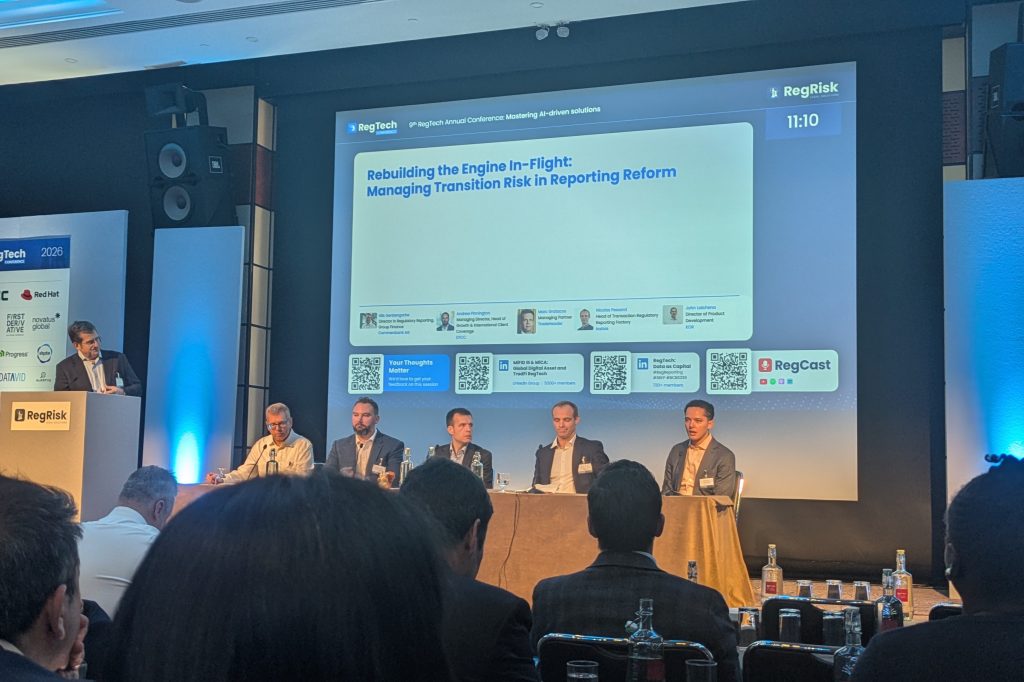
RegTech Conference 2026: This panel looked at where transition risk concentrates when old and new regimes run in parallel.
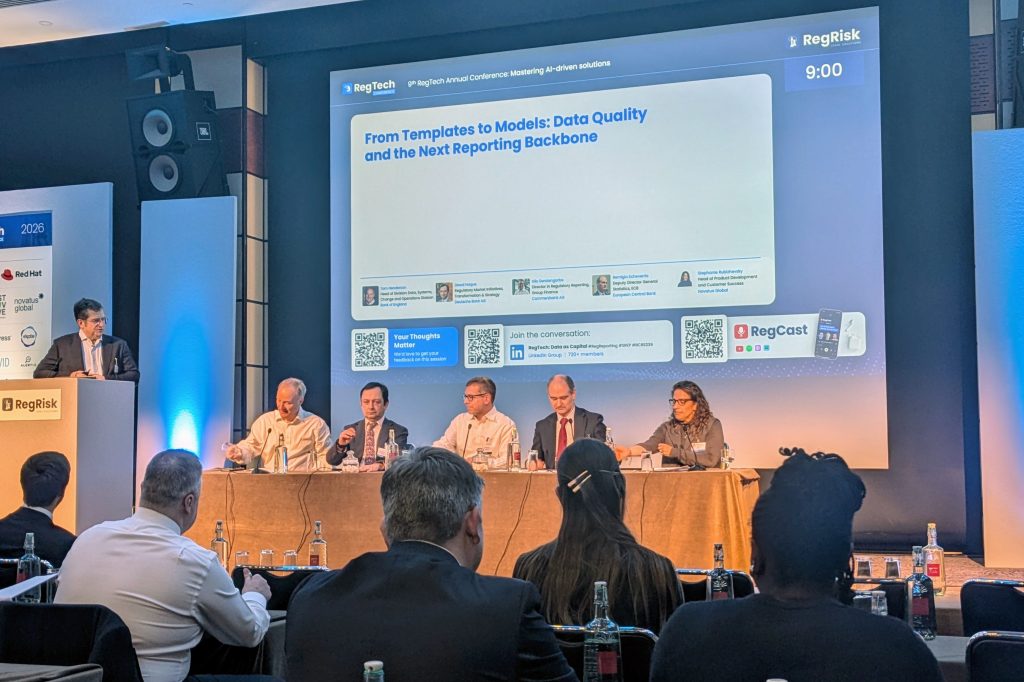
RegTech Conference 2026: the session focused on the evolution of regulatory reporting from rigid, template-based systems to agile, semantic data models.
