
-
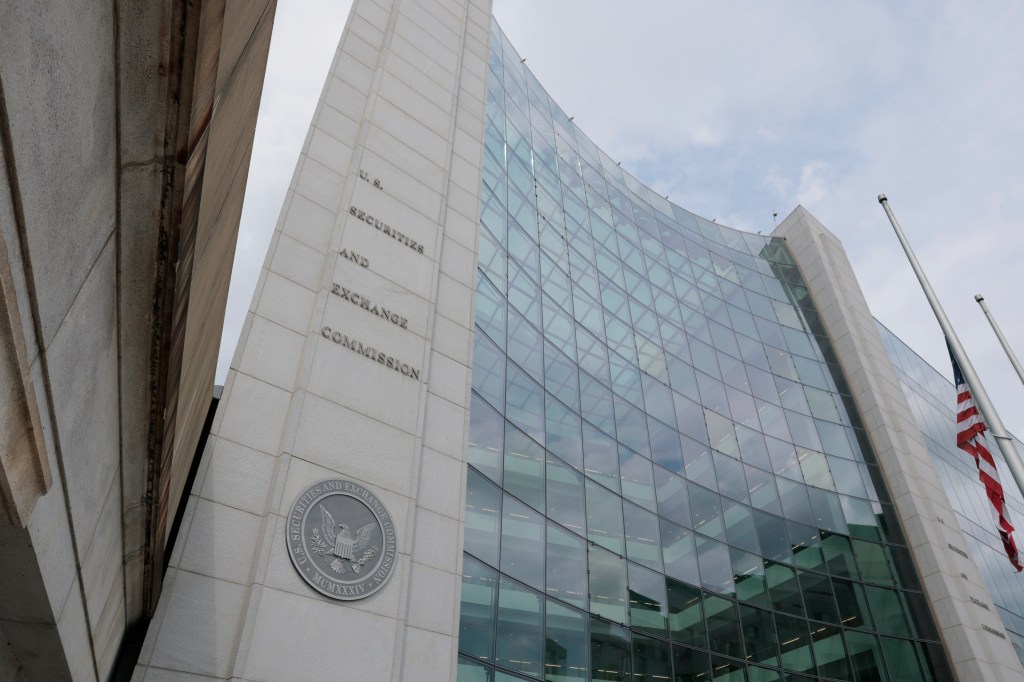
SEC enforcement highlights valuation risks in affiliated loan transactions
After reviewing a recent case, Janaya Moscony offers lessons learned and explains why this matters for advisers.
-

Framing the Issue: A US strategic bitcoin reserve
Global financial destablilizer or shock absorber?
-

Rebecca Fike talks to GRIP about SEC enforcement and more
Fike, former SEC senior counsel, told us about the effects of uncertainty and tempered enforcement activity at the SEC on her clients, and her advice to them.
-

GRIP Extra: CFTC launches Innovation Task Force, digital Euro progress advances
Our in-brief roundup of notable stories from the last week.
-

SEC hints long-awaited e-delivery rule could be imminent
House lawmakers are also moving to allow electronic investor disclosures and communications, but the SEC may act first.
-

Crypto wrap: Regulatory clarity on security status, prediction platforms target insider trading
Our pick of the latest crypto stories.
-

Financial regulation 2.0: What EU regulatory evolution means for practitioners
Regulation targeting the financial sector continues to evolve. We explore the EU's future approach, where reforms are balanced with core safeguards – alongside perspectives from other key markets for the Nordic and Baltic region.
-
GRIP Extra: AMLA begins groundwork for direct supervision, White House unveils federal AI framework
Our in-brief roundup of notable stories from the last week.
Overview
Latest News