

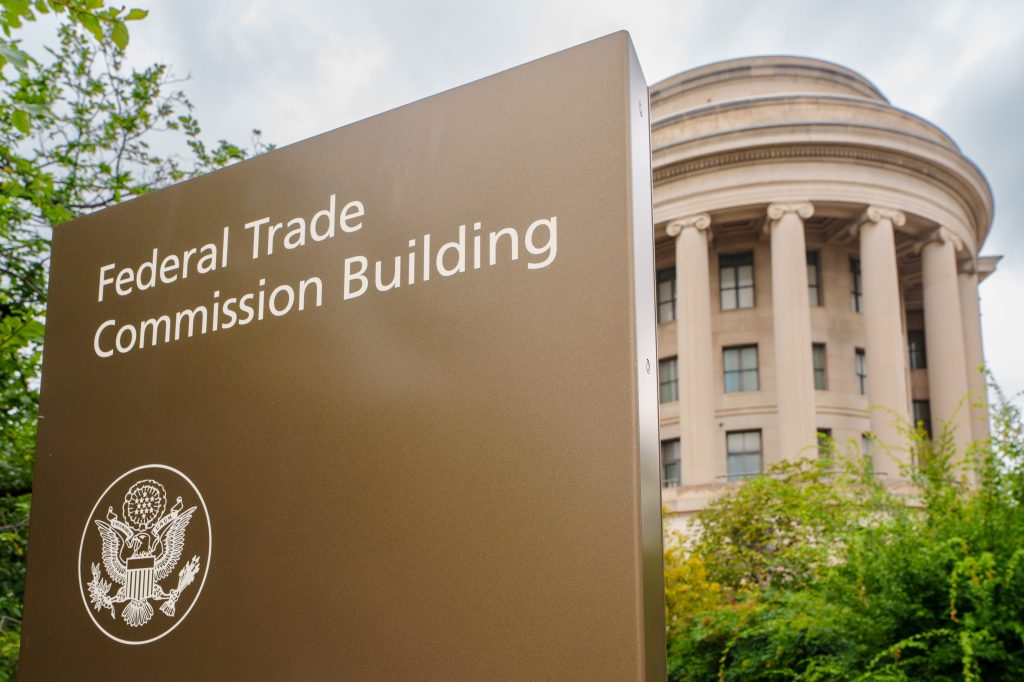












Artificial intelligence is beginning to play a practical role in how compliance work gets done. It influences how information is processed, how inconsistencies are surfaced, and how quickly teams can analyze complex inputs. Yet despite this growing impact, the conversation around “AI in compliance” has been shaped largely by assumptions
Register for free to keep reading
To continue reading this article and unlock full access to GRIP, register now. You’ll enjoy free access to all content until our subscription service launches in early 2026.
- Unlimited access to industry insights
- Stay on top of key rules and regulatory changes with our Rules Navigator
- Ad-free experience with no distractions
- Regular podcasts from trusted external experts
- Fresh compliance and regulatory content every day