
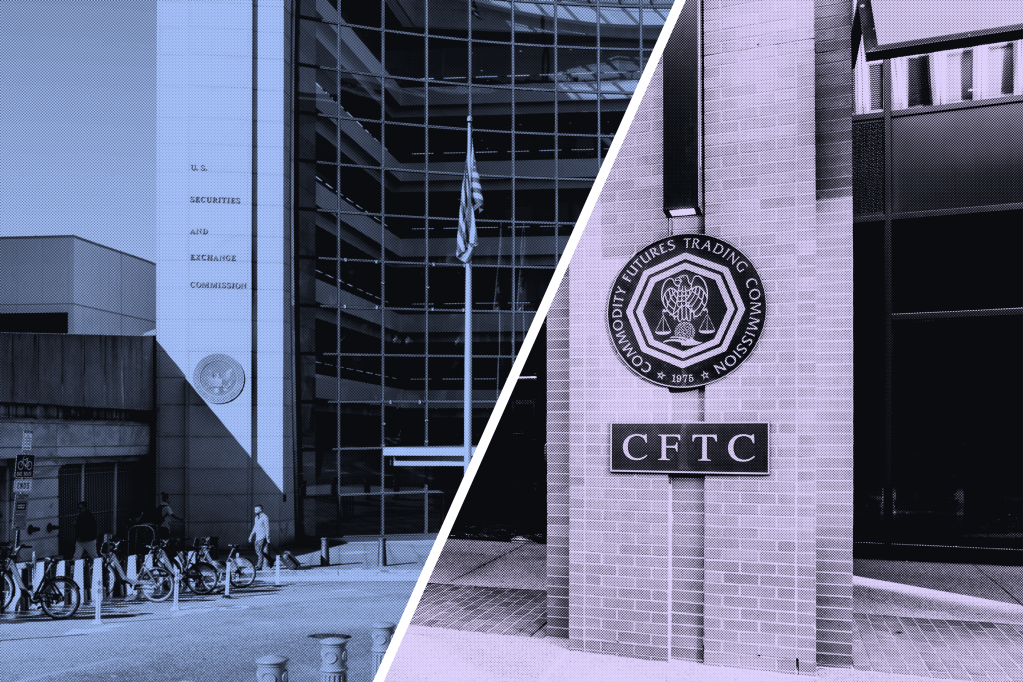

The US SEC and Commodity Futures Trading Commission (CFTC) have proposed changes to Form PF that could significantly reduce reporting obligations for many private fund advisers, but firms should continue following current requirements until any changes are finalized.
What happened
The SEC and CFTC jointly proposed amendments to Form PF, the confidential filing required for certain private fund advisers.
Form PF is used by regulators, including the Financial Stability Oversight Council, to gain visibility into private fund activity and assess potential risks in the financial system.
The proposal is intended to scale back reporting requirements that regulators believe may be overly broad or not as useful in practice.
Key proposed changes:
- raising the filing threshold from $150m to $1 billion in private fund assets under management;
- increasing the threshold for large hedge fund advisers from $1.5 billion to $10 billion;
- eliminating or simplifying certain sections of the form to reduce reporting complexity;
- maintaining reporting for larger firms so regulators continue to receive data covering most private fund assets.
The proposal is not yet final and is subject to a public comment period following publication in the Federal Register.
Considerations
Even though this is a deregulatory proposal, advisers should not make immediate changes.
Points to consider:
- Current Form PF requirements remain in effect until final rules are adopted.
- Advisers should confirm how their private fund assets under management are calculated, including any affiliated structures.
- Firms near the proposed thresholds should monitor whether they may move in or out of filing status.
- Internal processes, including reporting timelines and data collection practices, may need to be adjusted if the proposal is adopted.
- Regulators are continuing to pay attention to areas such as private credit, which may remain a focus regardless of broader relief.
Importantly, a reduction in Form PF obligations does not change other compliance requirements, including Form ADV disclosures, marketing rule obligations, custody considerations, and books and records requirements.
Why this matters
If adopted, these changes would remove Form PF filing obligations for a large number of smaller advisers and reduce the reporting burden for others.
At the same time, regulators are not stepping away from oversight. Instead, they appear to be concentrating their efforts on larger firms and areas they view as higher risk.
For advisers, the key risk is acting too quickly. Until the rules are finalized, firms must continue to comply with existing requirements and should carefully evaluate how any future changes apply to their specific structures.
Janaya Moscony, President, SEC3. As a former SEC regulator, Janaya has significant experience in the examination, implementation and enforcement of securities regulations. Contact: janaya@sec3compliance.com