
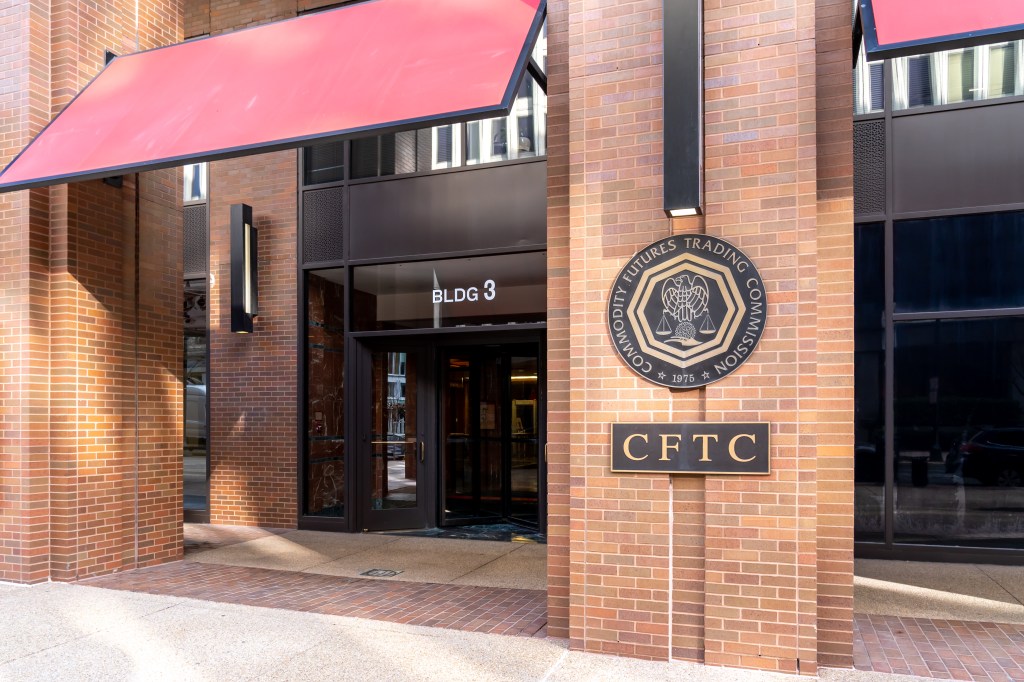

The CFTC rescinded a nearly thirty-year-old policy that prevented it from accepting enforcement settlements if defendants or respondents continued to deny publicly its allegations.
The policy, codified in Appendix A to Part 10 of the CFTC’s rules of practice, required settling parties to agree not to make public statements directly or indirectly denying the agency’s findings or conclusions, or creating the impression that an enforcement order lacked a factual basis.
The policy was enacted in 1998 and performed a similar function to the SEC’s no-deny policy, which was abolished last month. The CFTC and the SEC were the only federal agencies with such policies on their books; notably, the DOJ lacked a similar provision.
The CFTC said it will also decline to enforce no-deny provisions contained in existing settlements.
However, the reversal does not constrain the agency’s discretion to negotiate for admissions of wrongdoing as part of a settlement.
Limited practical benefit
The CFTC underscored the rule’s functional obsolescence in its rationale to scrap the rule. The agency said it was not aware of any instance in which it had sought to reopen a federal court action or administrative proceeding following a violation of a no-deny provision, or any reported opinion in which a court had ruled on such a request.
Even in cases where a settling party breached an agreement, the agency noted that reopening a case could become increasingly difficult as time passed and memories faded or evidence was lost, making practical enforcement weak. Courts could also reject a request to return an older case to active litigation.
This mattered because the CFTC’s gag rule, like the SEC’s, had perpetual duration.
The CFTC also said technological changes made the policy more difficult to implement. Social media interactions may be directed at a limited audience but still visible to dozens of people, complicating the distinction between “public” and “private” statements.
The CFTC said the lack of a no-deny rule would allow it to conserve resources and enter into settlements more easily.
The agency’s policy had not been directly challenged in court, although it received a petition seeking its repeal in 2019. The SEC’s gag policy was upheld on its face in the 9th Circuit on the grounds that it has been an accepted principle of law that defendants can voluntarily give up constitutional rights in exchange for favorable settlements; however, it left open the possibility that the rule as applied could be illegal if it overly burdened potential criticism of the government.
“For nearly three decades, the Commission has refused to settle cases unless the defendant promised not to publicly deny the Commission’s allegations,” CFTC Chair Michael Selig said. “I am pleased that we are rescinding the no-deny policy consistent with regulators throughout the government.”
Market safety advocacy group Better Markets criticized the CFTC’s decision, arguing that it would allow defendants to obtain the benefits of settlement while continuing to deny the agency’s allegations publicly and calling the move “siding with lawbreakers.”
That reflected Biden-era SEC chair Gary Gensler’s defense of his agency’s gag rule in 2024: avoiding having settlements just be “the cost of doing business.”