

Skip to Primary Navigation

Three March SEC cases highlight investor protection

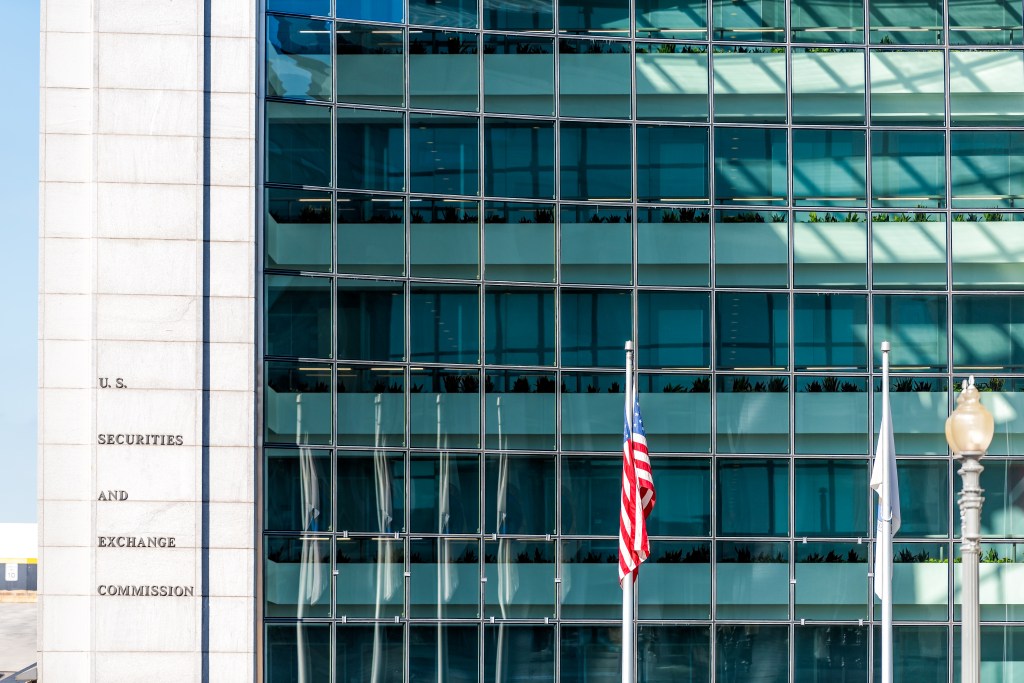
US United States Securities and Exchange Commission SEC entrance architecture modern building sign, logo, american flag, glass windows
Photo: Getty Images

A brief enforcement roundup.

Three SEC-litigated court judgment releases from March involved the sale of fraudulent promissory notes, fraud that ended in waived monetary penalties, and two former London bankers passing confidential deal information to traders.

For the first case, the SEC said an individual and his company – Bin Hao and Qidian LLC – sold promissory notes and membership interests from 2017 through 2021. Hao promised annual returns of 8% to 25% tied to loans for a Miami real estate company.

The SEC alleged that after the borrower stopped paying nearly all interest in January 2019, Hao and Qidian kept raising money. They continued to bring in at least $10.3m more and used more than $2.3m of new investor funds to pay earlier investors in a Ponzi-like scheme. At least $793,267 was diverted from the fund to pay Hao’s personal expenses.

A Florida court entered a final judgment against Hao, ordering about $2.24m in disgorgement, interest, and penalties, and imposing an officer-and-director bar.

In the second matter, the SEC alleged that four defendants raised about $50m through repeated misrepresentations about the company’s financial condition, business relationships, and fundraising efforts.

The SEC said former COO Samir Rao provided investors with false financial information that overstated Ozy’s annual revenue by at least 100% from 2018 through 2020, and that former chief of staff Suzee Han helped prepare and distribute the materials.  

Final judgments were entered against Rao and Han, permanently enjoining them from antifraud violations, with Rao also receiving a three-year public company officer-and-director bar. Bloomberg Law noted that monetary penalties were dropped against them due to their “extraordinary cooperation.”

And last, a case focused on insider trading rather than fundraising: According to the SEC, two former investment bankers, Darina Windsor and Benjamin Taylor, misappropriated material nonpublic information about impending corporate transactions from the London firms where they worked, from around late 2012 to 2018.

They passed it through an intermediary to traders, and shared proceeds from the resulting trades, generating tens of millions in illicit profits.  

The final judgments permanently enjoined both defendants, and ordered Taylor to pay $500,000 and Windsor to pay $100,000 in combined disgorgement and penalties. Bloomberg Law reported that Windsor reached a deferred prosecution agreement under which criminal charges would be dropped after a year if she paid the SEC and stayed out of legal trouble.