
Skip to Primary Navigation

What does Supreme Court ruling on definition of a woman mean for employers?
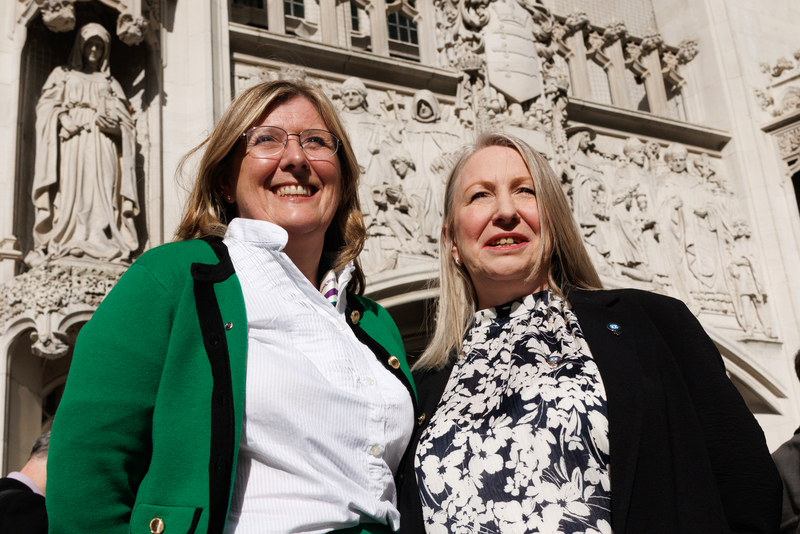
(L-R) Susan Smith and Marion Calder, directors of For Women Scotland, outside the Supreme Court. Photo: Dan Kitwood/Getty Images

The judgment does not remove or change an employer’s obligations in the workplace or the need to behave fairly and equitably in the treatment of those who are transgender.

The UK Supreme Court has issued a landmark ruling over whether a transgender person with a gender recognition certificate (GRC) that recognises them as female can be regarded as a woman under equality laws. The judgment considered the interaction between the Equality Act 2010 and the Gender Recognition Act 2004.

The Supreme

Get full access, free for a month

Start your 28-day free trial to continue reading and access
all content on GRIP – no payment details required.

What’s included:

  • Every new article, plus our 5,000+ archive
  • Daily regulatory insight and guidance
  • Exclusive interviews and in-depth analysis
  • Coverage of industry-leading events and conferences
  • All podcasts and videos, featuring industry experts
  • The full set of Rules Navigator tools
  • An ad-free experience